

Die zeitgerechte Stadt – Potentiale der Mehrfachnutzung.

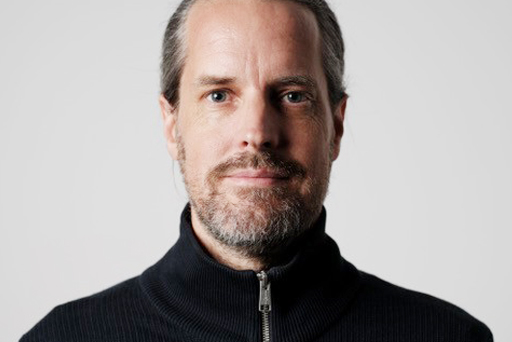
Jan Foerster
Jan Foerster is a graduate engineer and architect, and the founder of Teamwerk Architekten in Munich and Berlin. After studying architecture at the Technical University of Munich and spending a semester at the Architectural Association in London, he earned his degree in 2000. He founded his own architecture firm in 2000 while still a student. As a scholarship recipient of the German National Academic Foundation, he developed an interdisciplinary perspective on architecture, the city, and society at an early stage. From 2003 to 2005, he served as a research and teaching assistant at the Chair of Fundamentals of Planning at the University of Stuttgart. For more than two decades, he has focused on sustainable urban development, renovation of existing buildings, repurposing, and innovative mixed-use concepts. His work combines architectural quality with ecological, social, and economic sustainability and is complemented by research, teaching, lectures, and publications.
Jan Förster’s presentation explores the potential of multi-purpose use of spaces as a response to social, environmental, economic and technological changes. Many spaces stand empty, whilst at the same time there is a shortage of space elsewhere. Rather than constructing new buildings for a single, potentially soon-to-be-obsolete function, existing spaces can be utilised at different times and for different users and purposes. This calls into question the principle of ‘form follows function’: architecture should not be optimised for a single function, but rather for its uses and potential. Multiple uses can create economic, social and environmental synergies. Using various projects as examples, he demonstrates how flexible floor plans, reversible elements and suitable operational concepts enable such diversity of use. At the same time, he identifies obstacles such as demands for exclusivity, the effort required for coordination, a lack of trust, and building and fire safety regulations. He views architecture as both an enabler and a provocation: spaces should inspire new uses and remain open to future developments.