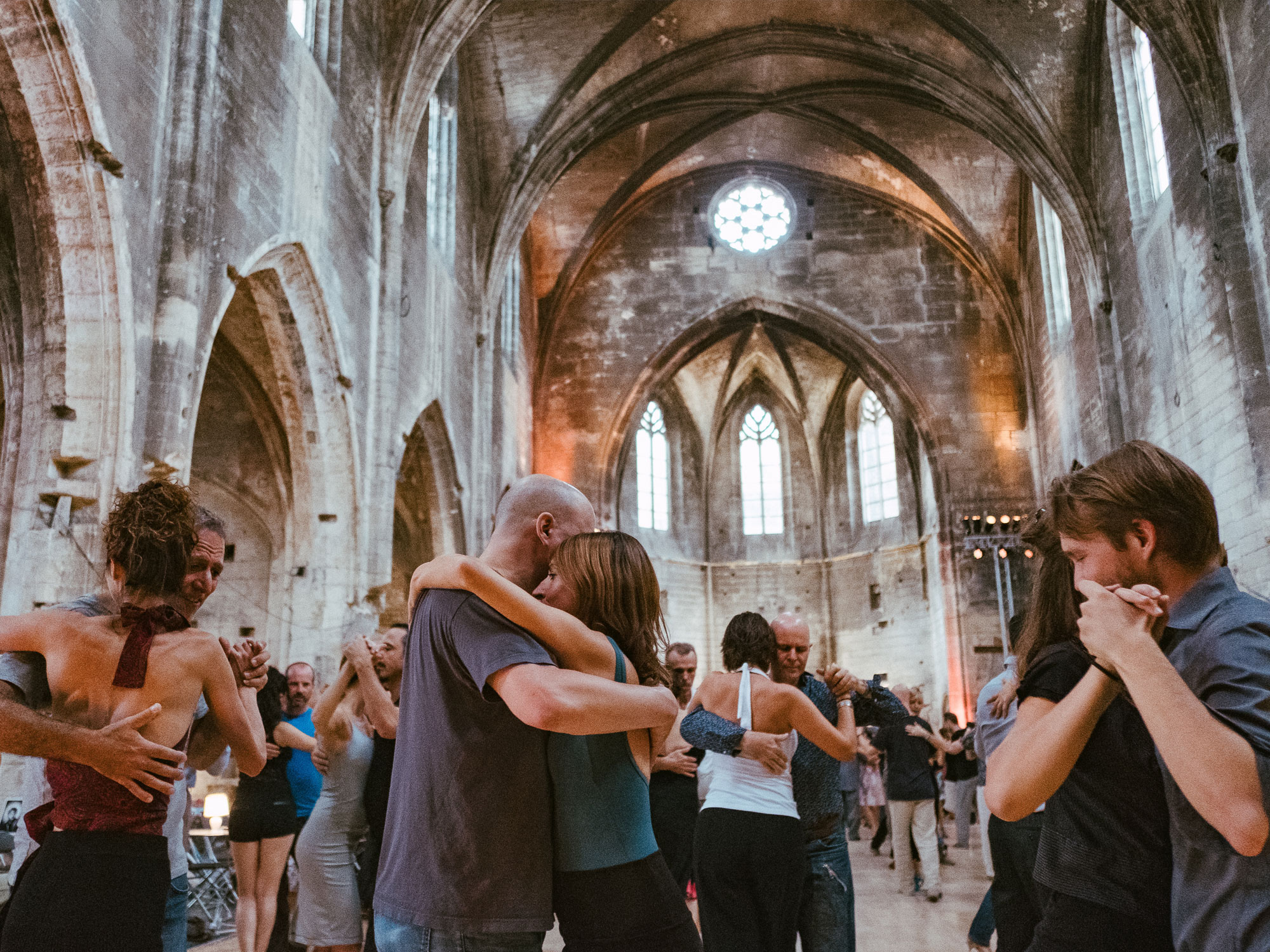
Influenced by mobility, prosperity, and the longstanding principle of functional separation, the evolution of space has led to a highly exclusive and one-sided use of spatial structures. This highly functiondependent use of space has a negative impact, for example, on the housing supply and resource conservation, and leads to unnecessary densityrelated stress. Homes, offices, schools, churches, sports facilities, public transportation, etc., are often underutilized. Against the backdrop of current social, economic, and technological change, however, a clear trend toward multiple use or the sharing of space can now be observed. The resulting sharing economy takes place at various levels and can solve problems and promote satisfaction.
In particular, from the perspectives of spatial planning, urban development, the economy, environmental protection, and society as a whole, we should give more serious consideration to the sharing of spaces. Multi-use offers great potential: it can have a positive impact on sustainable spatial development and community life.
However, there are also risks and unanswered questions. Positive effects may be most evident in the social sphere. The economic effects, on the other hand, are not clearcut. And the hope for environmental benefits may not be fully realized, for example if resources saved are consumed elsewhere due to socalled rebound effects. Therefore, it seems sensible to manage multiple uses through supplyside measures, regulation, or institutional support.
More Space. Build Less explores the history, current, and future examples of mixed-use development and invites us to reflect together on how this important issue might evolve in the future.
Exhibition
As part of the Mehr.Raum. Weniger.Bauen. series, we are simultaneously presenting the exhibition Small in Japan by Ulf Meyer, an architecture journalist based in Berlin.
The Japanese do not live exclusively within the four walls of their own homes, but rather in the city: convenience stores, laundromats, sento, and cafés take on the functions of a home, while the home itself serves as a refuge. On the smallest, most expensive plots of land, ingenuity, sophisticated access solutions, interior gardens, carefully curated views, and fluid spatial sequences give rise to surprisingly spacious micro-houses that respond to cramped conditions, high density, and social change. Since buildings in Japan often last only a few decades and a lack of context is part of everyday urban life, residential construction has become a testing ground for architects such as Tsuyoshi Tane, Yuko Nagayama, and Florian Busch, whose designs are shaping the international trend toward smallness.